

It may seem like a silly question, but let's address it… Does Meditation make you spaced out or become a Meditation hippie?
Maybe we should start with a few definitions to get everyone on the same page.
Terms Defined: Hippie, Meditate, Meditation, & Spaced Out
/’h?pi/
(sometimes misspelled as hippy)
A hippie is a member of the counterculture of the 1960s, originally a youth movement that began in the United States during the mid-1960s and spread to other countries around the world.
Society often thinks of hippies as a person (or people) with long hair that wear brightly colored clothes, and someone who takes illegal drugs, and that often is rejecting how most people in Western society live.
Meditate: noun
/ˌmedəˌtāt/
the action or practice of meditating.
Meditation: noun
/ˌmedəˈtāSH(ə)n/
the action or practice of meditating.
Spaced Out: phrasal verb (Informal, North American English) the inability to notice what is happening around you, especially as a consequence of drug use.
The Greatest Myth on Meditation
Hippies commonly take up communal living arrangements, adopt vegetarian diets and steer away from processed foods. They show a greater preference for holistic medicine as opposed to modern therapies.
“Hey, wait a minute! Am I a hippie? Maybe a meditation hippie?”
Many who practice meditation actually DO share these traits, but meditating doesn’t make you spaced out like Tommy Chong in the Photo Hunt.
Hanging with Tommy could actually be fun and a good laugh, and none of it would have any relation whatsoever to meditation per se. AND… not finding Tommy funny or appealing, does not mean that meditation IS or that it ISN’T for you.
With meditation, you don’t have to wear “strange clothes” and grow tumbling locks.
All joking aside… You can actually call your family doctor if you are sick. You can go to school, get degrees, start a business, become a leader in your community, or buy real estate property, and grow rich. There are no requirements or exclusions.
But this is where the line is drawn– you are in touch with your true self.
Without the shadow of a doubt, meditating is a powerful way to bolster your connection with what you believe is at the core of human existence. Many believe meditation to be nothing more than a bohemian spiritual practice, but the masses go astray.
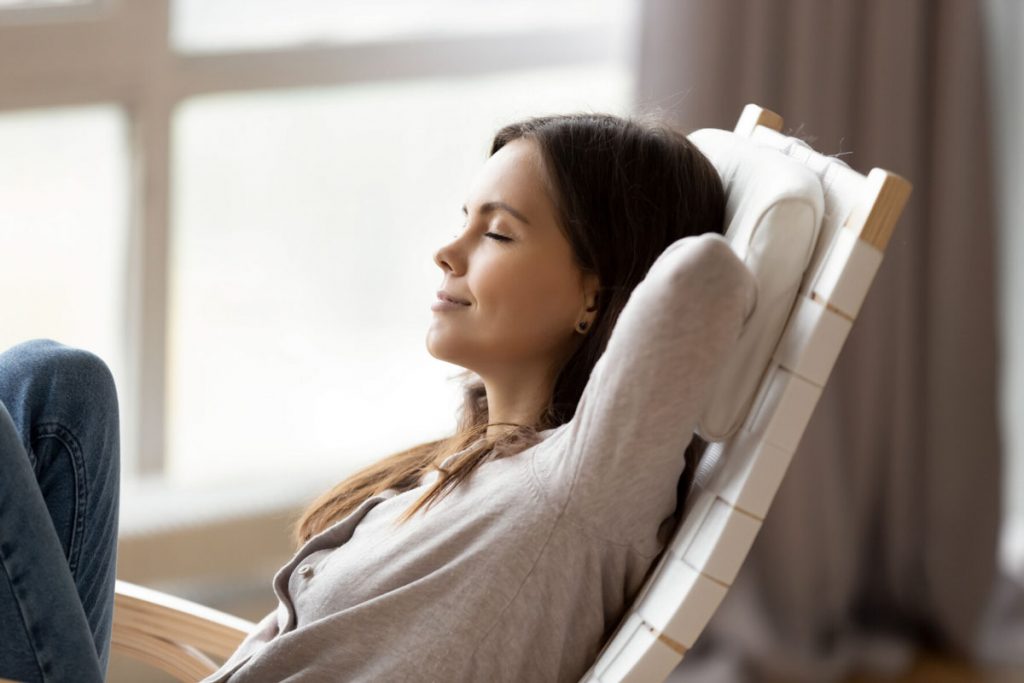
Again… does meditation make you spaced out or become a hippie?
No, Meditation Doesn't Make You what some might call a Weirdo or a "meditation hippie"
The connection of meditation with spirituality turns many people off. While preachers, Zen masters, and Tibetan monks all share commonalities and maybe all lay claim to meditation as ‘their’ practice, mindfulness is a personal undertaking.
Though hippies, monks, and preachers practice it (I’m not disparaging any of these groups of people), meditation is good for all humankind and has many incredible benefits:
- Meditation is relaxing and calms your thoughts.
- Deep breathing, a meditational technique, is upheld by psychologists as a remedy against anxiety and depression.
- Meditation gives you a new perspective in life – you learn to appreciate life and worry less.
- The people who meditate – including the hippies and monks – often are more patient, more tolerant, and very happy people.
- Increased self-awareness, through meditation, ignites creativity and success in life (which can be seen by some famous people like… Oprah Winfrey, Bill Gates, LeBron James, and Will Smith who all meditate. – See video below where they talk to celebrities and the importance of using these mindfulness practices for teens.)
Science Agrees, You Could Benefit a Lot from Meditation
Preaching these advantages often triggers a brouhaha in the general public, but today science is a valuable tool – experts now have the evidence to prove that meditation has tangible benefits.
This article in Mayo Clinic shows how meditation helps to prevent illnesses that are associated with stress. That list includes asthma, ulcers, as well as other big ones like depression, heart disease, and high blood pressure.
Dr. Rick Hanson has published several books on how meditation changes the brain. Rick is a neuropsychologist, and his testimonies align with similar works from Joe Dispenza, Bruce Lipton, and others. Here is a sample of Rick’s audiobook Meditations Change the Brain. I have taken one of Rick’s courses and watched several of his videos.
Harvard researchers, through magnetic resonance imaging (fMRI), found that meditation has a positive impact on the areas of the brain associated with pain, anxiety, and depression.
So dismissing meditation as a hippie thing is a great misconception.

You deserve to experience it for yourself, at least, before you decide against it.
It doesn’t matter if you are straightlaced and highly conservative chasing the American Dream or if you are a free spirt fighting for Peace and Love, this is a human activity the helps humans- work better. Instead of being “spaced out” you actually become more focused and attuned with yourself, your feelings, your emotions, and your well-being. Who doesn’t want that?
If you’d like to learn more you might like this article – 3 BENEFITS OF MEDITATION: SELF-AWARENESS, STRESS MANAGEMENT, AND ANXIETY CONTROL.

Want to try adding mindfulness and meditation to your self-care routine? Click below to get details about the Introduction to Mindfulness & Meditation mini-course.